Online therapy through Zoom
Over the past few years, the field of mental health care has witnessed a substantial transformation due to the rise of online therapy.
As technology continues to advance an increasing number of individuals are turning to virtual platforms to access the support they need.
Do take a look around our practice and if you have any questions or would like any more info do get in contact with our practitioners. We would be more than happy to help you on your journey to a better, more fulfilled life.

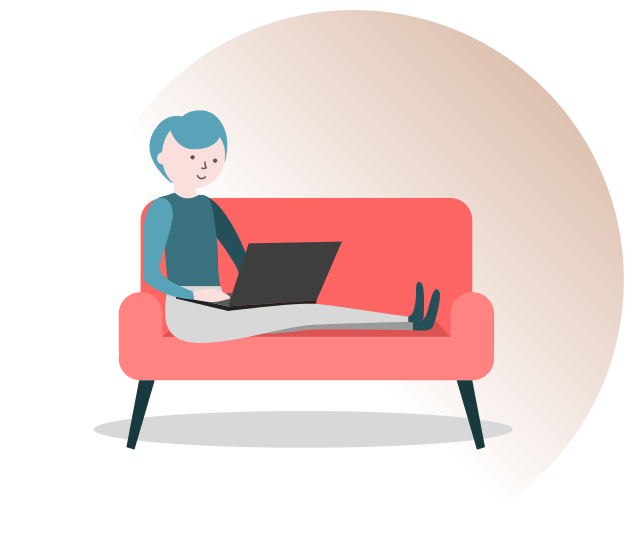
What’s involved
At Kensington Counselling Rooms, we have chosen the online service of Zoom, for the additional encrypted security it offers, which makes it more confidential than services like Skype and FaceTime.
Just as in face-to-face psychotherapy and counselling, with online Zoom sessions, we recommend that you take some things into consideration. We ask everyone who is interested in this service to make an initial appointment with the practitioner of your choice. During the initial appointment with your counsellor, you will decide whether this way of working is the most beneficial for you. Although some of you may choose to carry on the therapy online after the coronavirus epidemic, you will also have an option to have your therapy face to face at 125 Gloucester Road.
As with face-to-face work, privacy is extremely important. Our practitioners work in a safe, private environment with no interruptions, and if Zoom sessions are to be effective, it will be necessary for you to also find a quiet and private space, with no interruptions for each online appointment, so that privacy and confidentiality can be maintained in the work.
Although online Zoom sessions offer more flexibility around time and schedules, you would be expected to have the same commitment to your online therapy or supervision as you would be asked to have for any face-to-face appointments. Punctuality and commitment are just as important, when the work is happening via Zoom.
When you sign up for your initial appointment with a practitioner of your choice (see below): 1. Your counsellor will send you a link to the appointment. 2. Please click on the link before the appointment to make sure you can access the waiting area. 3. The program will most likely ask you to install a small Zoom interface. 4. You can configure audio and video during the call (see video on the right). 5. At the time of your online zoom counselling session your therapist will admit you to the call.
In the US, health authorities specified criteria for safe online working for clinicians. Health Insurance Portability and Accountability Act, also known as HIPAA compliance, is awarded to services that provide sufficient encryption and privacy for remote therapeutic and medical work. Facetime, Skype, Facebook or Google are not HIPAA compliant as they collect personal information or listen to the conversations. In our conversation with Skype, we were told that they listen to some of the calls to ensure the best quality of their service. As much as this is great for their product, this is not suitable for the privacy that counselling and psychotherapy require. Zoom is HIPAA compliant and has a strong privacy policy. Even though in March 2020, some journalist identified flaws in the system that made it more vulnerable to hacking or spamming, the company have resolved the issues and continuously works on making Zoom safe. With the most AES 256-bit GCM encryption, Zoom is as safe as a bank website and we recommed it to our therapists and clients.
If you think that online Zoom sessions could be a good option for you, check our directory of practitioners, choose one, and then get in touch with them to arrange an appointment.















Approaches used in online therapy through zoom
12 approaches, as practised by the therapists listed here. Open any one for a brief description.
Integrative psychotherapy6+
Integrative psychotherapy draws on more than one tradition rather than following a single school. A therapist working integratively has usually trained in depth in one approach and added others, and chooses between them according to the person in front of them rather than applying one method to everyone.
Cognitive behavioural therapy (CBT)4+
Cognitive behavioural therapy looks at the links between what you think, how you feel and what you do. The premise is that patterns of thinking can keep difficulties going, and that changing what you do can change how you feel.
Psychodynamic psychotherapy3+
Psychodynamic psychotherapy is interested in how earlier experience, much of it outside everyday awareness, shapes present relationships and choices. It pays particular attention to patterns that repeat.
Transactional analysis2+
Transactional analysis offers a plain vocabulary for what happens between people — the roles we fall into, the scripts we learned early, and the exchanges that leave us feeling small or stuck.
Eye movement desensitisation and reprocessing (EMDR)1+
Eye movement desensitisation and reprocessing was developed for trauma. It works on the basis that some memories are stored unprocessed, so that they continue to intrude with the force of the original event.
Gestalt therapy1+
Gestalt therapy attends to what is happening now — in your body, in your awareness, and between you and the therapist — rather than mainly explaining the past. The aim is contact with experience as it actually is.
Play therapy1+
Play therapy is therapy for children conducted in the medium children actually use. Rather than being asked to explain feelings in words they may not have, a child plays, and the therapist works with what emerges.
Psychoanalytic psychotherapy1+
Psychoanalytic psychotherapy is the most exploratory of the talking therapies. It works slowly and in depth with unconscious processes, and is usually open-ended rather than fixed to a number of sessions.
Psychosexual therapy1+
Psychosexual therapy addresses sexual difficulties and the emotional and relational context around them. Work may be with an individual or a couple.
Relational psychotherapy1+
Relational psychotherapy takes the view that people are formed in relationship and are best helped in one. Rather than the therapist standing outside as an expert, the connection between the two of you is treated as the main instrument of the work.
Hypno-psychotherapy0+
Hypno-psychotherapy uses hypnosis — a state of focused attention — to work with the subconscious, most often on unwanted habits, limiting beliefs, anxiety and sleep.
Humanistic psychotherapy1+
Humanistic psychotherapy starts from the view that people have their own capacity to grow, and that the therapist's task is to provide the conditions in which that becomes possible.
From the articles
All articles →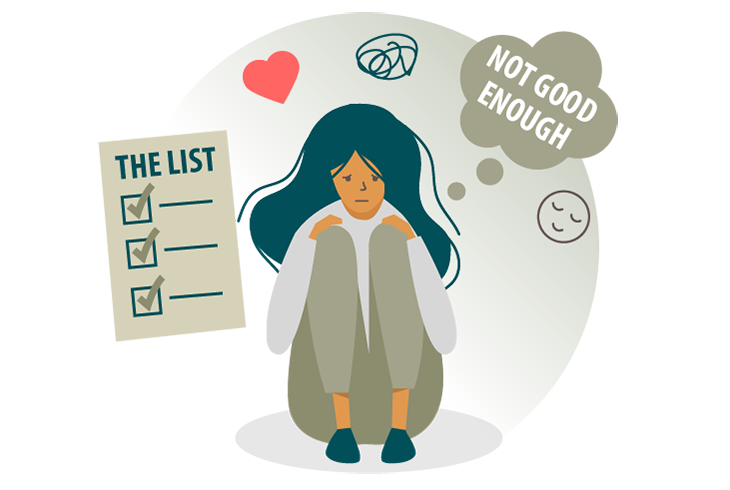
When Good Enough Isn't Enough: Understanding Perfectionism.
Perfectionism is often worn as a badge of competence — but beneath the high standards and relentless drive, it can quietly exact a significant toll.
Read the article →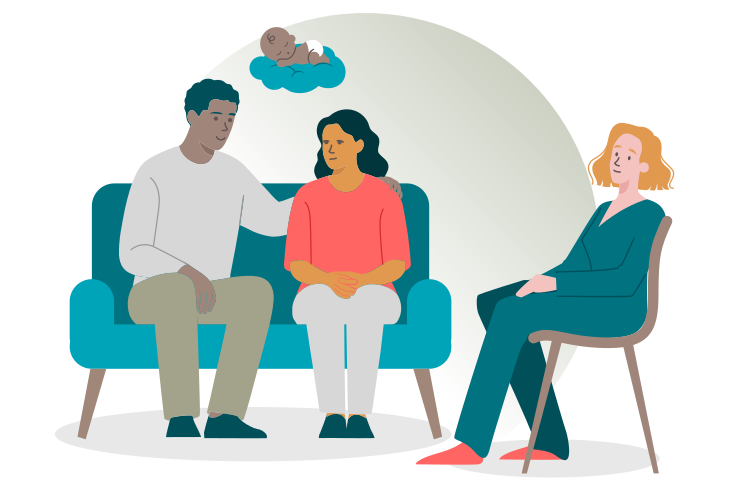
How Couples Therapy Helps New Parents Manage the Pressures of Starting a Family
Many find the pressures of parenthood, sleepless nights, and changing roles can strain their relationship. Couples therapy provides a supportive space to navigate these challenges.
Read the article →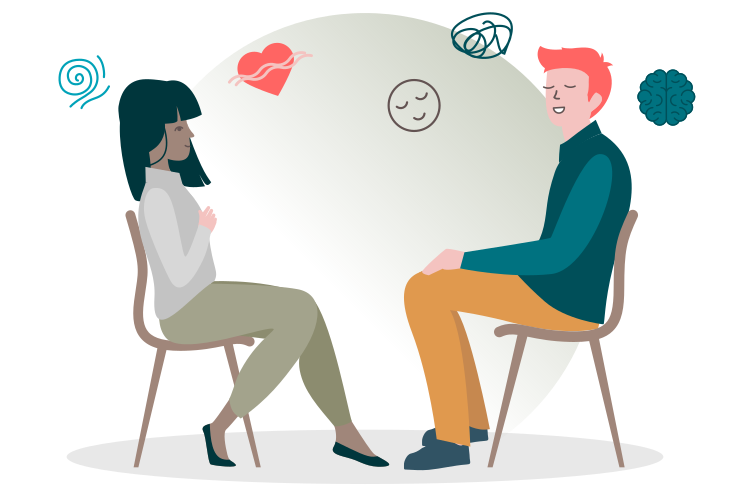
Healing Through Feeling: Integrating Mind, Body, and Emotions
Healing isn’t just about thinking or analyzing — it begins with feeling. By integrating mind, body, and emotions, we can reconnect with our inner experiences.
Read the article →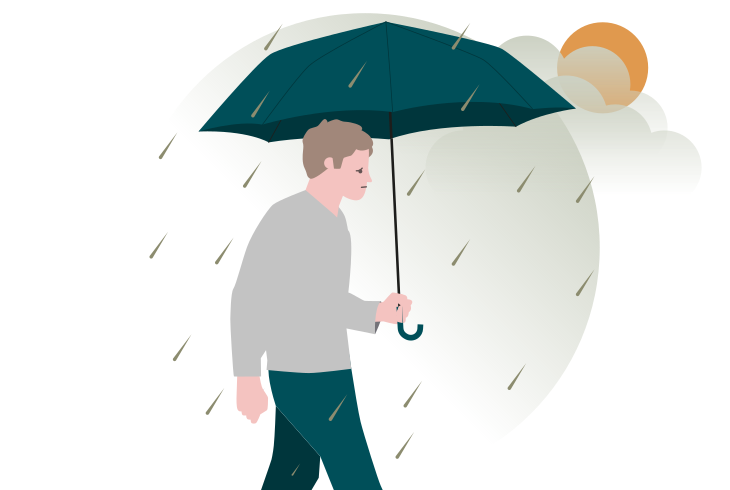
Why am I feeling so anxious? Understanding anxiety as a natural part of grief
One often overlooked response to loss is anxiety, which is a completely natural part of coping with the death of someone close.
Read the article →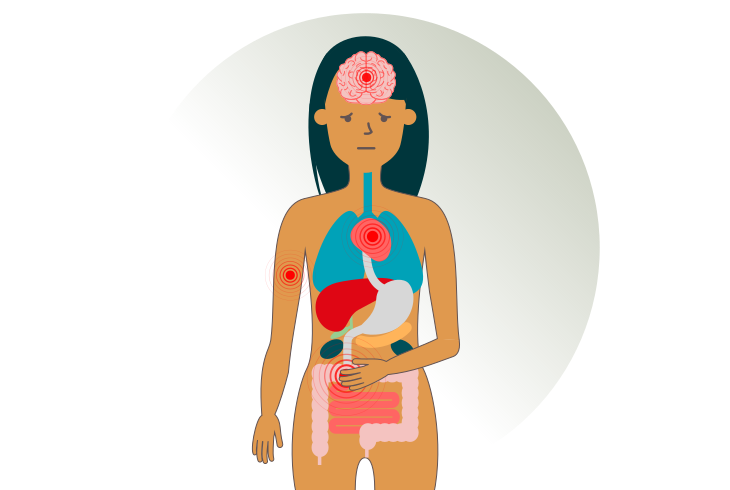
The Body Remembers: A Somatic Healing Approach to Emotional Pain
Emotions we ignore or suppress do not simply disappear — they often get stored in the body, and over time can manifest as tension, discomfort or illness.
Read the article →