Online couples therapy
Until a few months ago, we never dreamt that the world would come to a standstill. That all our dreams and inspirations will be on hold for a while. We did not imagine that the things we have worked hard and the family we have loved and protected will one day exposed to a deadly threat of coronavirus. Whether lockdown with our partner or in separation, this crisis will have an impact on how couples function together.
Realizing how things are getting out of control and the world standing still, have triggered many worries and anxieties about what the future holds for us.
Do take a look around our practice and if you have any questions or would like any more info do get in contact with our practitioners. We would be more than happy to help you on your journey to a better, more fulfilled life.

What’s involved
Online couples therapy could help couples experiencing difficulties work on their marriage or relationships. To have a better understanding of what the problem is, how it started, developed, maintained, and what needs to change to improve things around.
By now, you might have to spend a lot of hours talking to people you know about your problems or struggles that you might be going through, and you feel maybe it is the right time to speak to a professional outside your circle of friends and family members. Talking to friends and families can be helpful, but sometimes some things feel private, difficult to say or to hear. For many people, this can be a barrier to openly and honestly discussing their issues. Online couples counselling will provide a safe and non-judgment space to discuss what is disturbing you within your relationship.
The coronavirus has stolen a lot from us, but it doesn’t have to affect our relationships. Things will go back to normal. And when they do may we be found standing next to the person that matters the most.
For some couples, the coronavirus situation has accelerated processes that were dormant or avoided. This may be a time to talk more openly about the possibility of separation, and online couples counselling could be a good place to receive guidance and support in this difficult time. Although the majority of couples come for online therapy to repair their relationship, some use it to separate with honesty, mutual support and understanding of each other.
Online couples counselling is a supportive and convenient way to access a qualified couples’ counsellor or therapy when you need it, wherever you are. Your therapist will help you discuss issues in your marriage or relationship and improve the quality of your relationships. It is just like having face-to-face counselling, except you talk to a trained counsellor online using a secure video link. ( i.e. Zoom or Vsee).
You can have couples counselling with your partner when in the same location or on your own. If you and your partner live in different places, your couples counsellor will arrange a three-way Zoom call. You will receive a link to the meeting, and if you have never used Zoom before, please check our guide here.
This question depends on each couple and the individual style of your counsellor. Short term limited couples therapy can keep the clarity of the couples’ goal and momentum while long term approach may allow the couples to come in and out of the treatment when a need occurs.
Online therapy is growing rapidly. The internet is not just for chatting with friends and relatives anymore, which recently we have all use the internet to catch up with friends and families during the lockdown period to save NHS and Save Lives. But the internet has also made it possible for couples to work on their relationships and marriage during this lockdown period.
Soon, things will go back to ‘normal”. Life will continue, and people will go with their everyday lives, and more demands will be placed upon our time. If this will be possible for you and your partner, your counsellor may suggest that you move your sessions to a physical location, but you will also have an option to carry on online if this is what you wish.
To arrange your initial appointment, contact your counsellor directly.


Approaches used in online couples therapy
12 approaches, as practised by the therapists listed here. Open any one for a brief description.
Integrative psychotherapy6+
Integrative psychotherapy draws on more than one tradition rather than following a single school. A therapist working integratively has usually trained in depth in one approach and added others, and chooses between them according to the person in front of them rather than applying one method to everyone.
Cognitive behavioural therapy (CBT)4+
Cognitive behavioural therapy looks at the links between what you think, how you feel and what you do. The premise is that patterns of thinking can keep difficulties going, and that changing what you do can change how you feel.
Psychodynamic psychotherapy3+
Psychodynamic psychotherapy is interested in how earlier experience, much of it outside everyday awareness, shapes present relationships and choices. It pays particular attention to patterns that repeat.
Transactional analysis2+
Transactional analysis offers a plain vocabulary for what happens between people — the roles we fall into, the scripts we learned early, and the exchanges that leave us feeling small or stuck.
Eye movement desensitisation and reprocessing (EMDR)1+
Eye movement desensitisation and reprocessing was developed for trauma. It works on the basis that some memories are stored unprocessed, so that they continue to intrude with the force of the original event.
Gestalt therapy1+
Gestalt therapy attends to what is happening now — in your body, in your awareness, and between you and the therapist — rather than mainly explaining the past. The aim is contact with experience as it actually is.
Play therapy1+
Play therapy is therapy for children conducted in the medium children actually use. Rather than being asked to explain feelings in words they may not have, a child plays, and the therapist works with what emerges.
Psychoanalytic psychotherapy1+
Psychoanalytic psychotherapy is the most exploratory of the talking therapies. It works slowly and in depth with unconscious processes, and is usually open-ended rather than fixed to a number of sessions.
Psychosexual therapy1+
Psychosexual therapy addresses sexual difficulties and the emotional and relational context around them. Work may be with an individual or a couple.
Relational psychotherapy1+
Relational psychotherapy takes the view that people are formed in relationship and are best helped in one. Rather than the therapist standing outside as an expert, the connection between the two of you is treated as the main instrument of the work.
Hypno-psychotherapy0+
Hypno-psychotherapy uses hypnosis — a state of focused attention — to work with the subconscious, most often on unwanted habits, limiting beliefs, anxiety and sleep.
Humanistic psychotherapy1+
Humanistic psychotherapy starts from the view that people have their own capacity to grow, and that the therapist's task is to provide the conditions in which that becomes possible.
From the articles
All articles →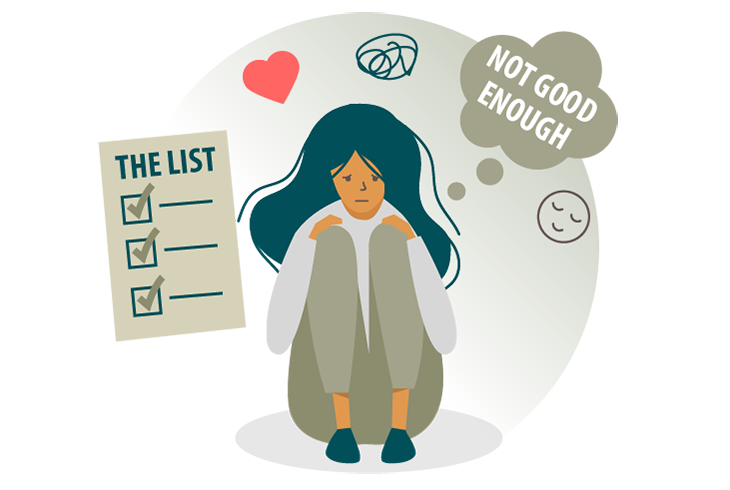
When Good Enough Isn't Enough: Understanding Perfectionism.
Perfectionism is often worn as a badge of competence — but beneath the high standards and relentless drive, it can quietly exact a significant toll.
Read the article →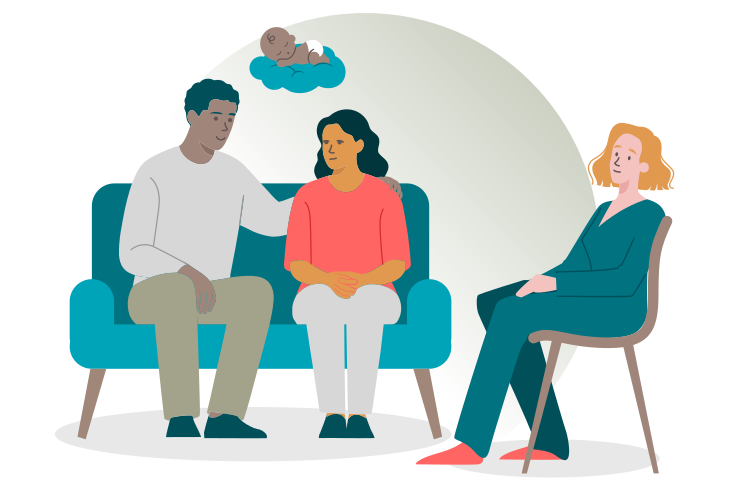
How Couples Therapy Helps New Parents Manage the Pressures of Starting a Family
Many find the pressures of parenthood, sleepless nights, and changing roles can strain their relationship. Couples therapy provides a supportive space to navigate these challenges.
Read the article →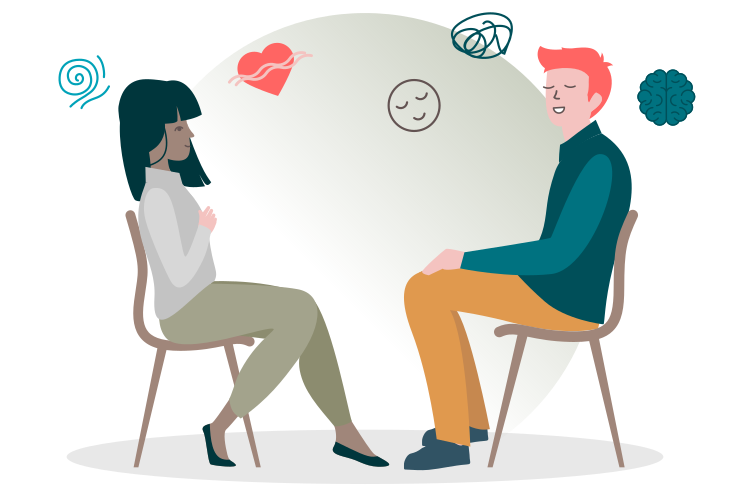
Healing Through Feeling: Integrating Mind, Body, and Emotions
Healing isn’t just about thinking or analyzing — it begins with feeling. By integrating mind, body, and emotions, we can reconnect with our inner experiences.
Read the article →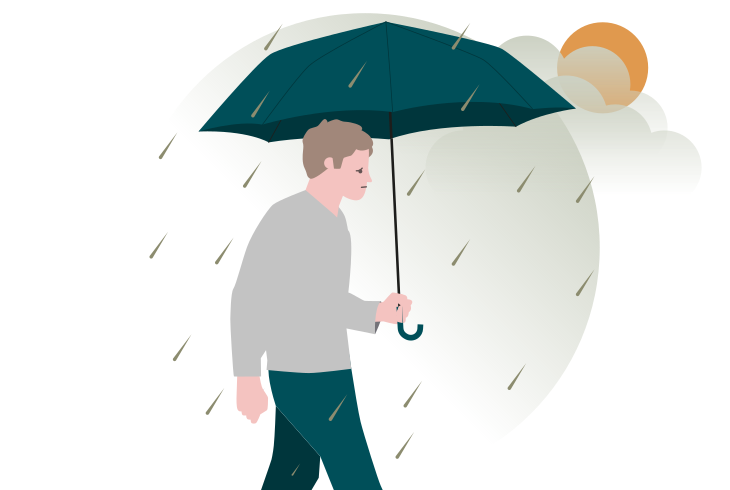
Why am I feeling so anxious? Understanding anxiety as a natural part of grief
One often overlooked response to loss is anxiety, which is a completely natural part of coping with the death of someone close.
Read the article →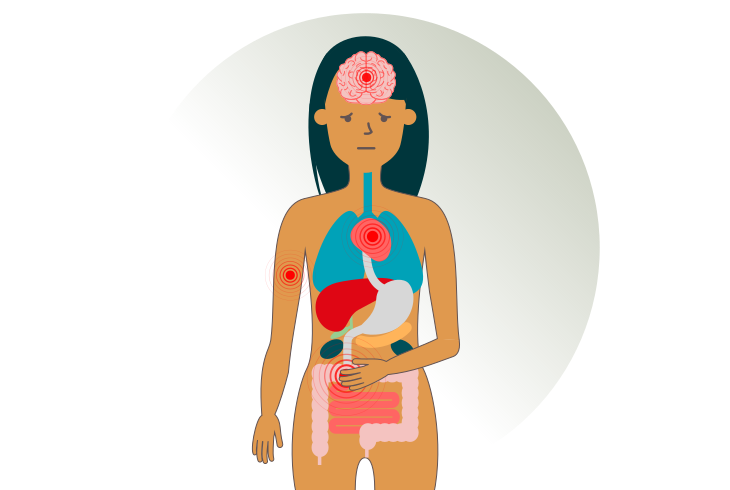
The Body Remembers: A Somatic Healing Approach to Emotional Pain
Emotions we ignore or suppress do not simply disappear — they often get stored in the body, and over time can manifest as tension, discomfort or illness.
Read the article →